

When disaster strikes, no one should face it alone
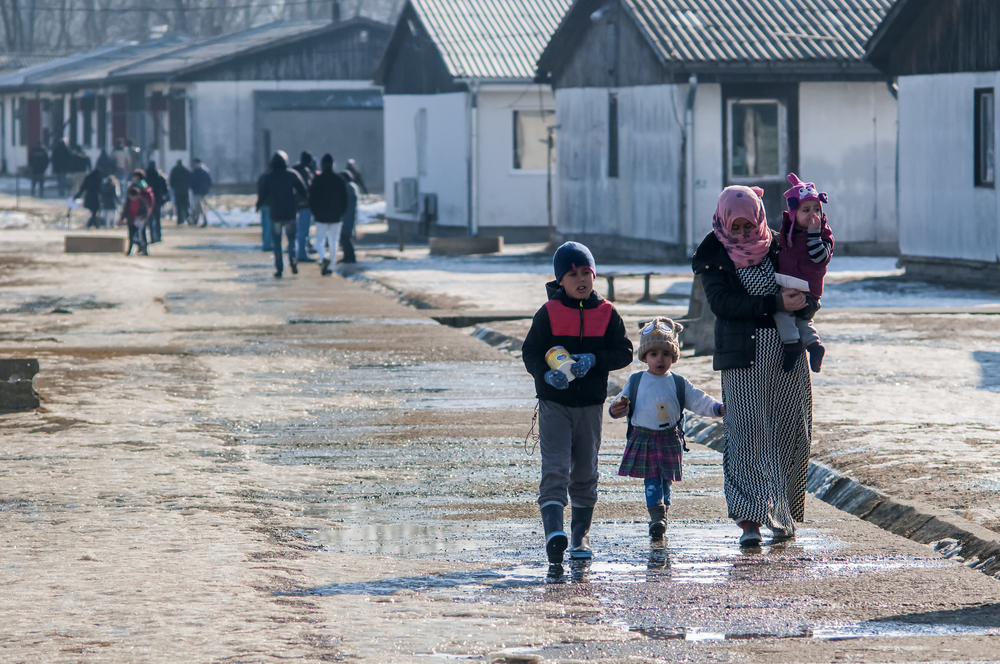
Floods, fires, cyclones, droughts, displacement, and sudden destitution — crises do not announce themselves. They arrive without warning and strip communities of everything they have built. At Arunoday Foundation, our Humanitarian Assistance program exists to be there in those first critical hours, and to stay long after the immediate emergency has passed. From rapid relief and rescue support to rehabilitation, livelihood restoration, and psychosocial recovery, we walk with affected communities through every phase of their return to stability and dignity.
Why humanitarian crises demand immediate action
India faces some of the world's highest exposure to climate-driven disasters — flooding, cyclones, droughts, and heatwaves — and Maharashtra alone witnesses recurring crises that displace thousands of families every year. The communities hardest hit are always those with the least — the daily wage workers, the landless farmers, the urban poor in flood-prone settlements — who have no savings, no insurance, and no safety net to fall back on when everything is lost. The difference between survival and collapse is often the speed and quality of the response they receive in the first 72 hours.
Delayed or Insufficient Government Response
While government disaster response mechanisms exist, they are often slow to reach the most remote or marginalised communities. NGOs on the ground — with established community relationships and pre-positioned resources — can reach affected families days before official relief arrives, making a critical difference in survival outcomes.
Loss of Documents, Identity & Entitlements
Floods and fires routinely destroy the identity documents — Aadhaar cards, ration cards, land records, bank passbooks — that people need to access relief, government schemes, and financial services. Without support to replace these, families remain invisible to the systems designed to help them.
Collapse of Livelihoods After Disaster
For farmers, daily wage workers, and small business owners, a single disaster can erase years of built-up livelihood capital — tools, livestock, shop inventory, crops. Without targeted rehabilitation support, families fall into long-term debt cycles or permanent poverty from which they never fully recover.
Invisible Trauma & Psychosocial Wounds
The psychological impact of disaster — grief, anxiety, post-traumatic stress, and the deep disorientation of losing one's home and community — is rarely addressed in relief operations. Without psychosocial support, trauma becomes a hidden barrier to recovery that can persist for years.

Our approach to crisis response
Rapid Emergency Relief
Within 24 to 48 hours of a disaster, our teams mobilise to distribute emergency food kits, clean drinking water, medicines, hygiene supplies, and temporary shelter materials to the most affected families — prioritising children, women, the elderly, and persons with disabilities.
Documentation & Entitlement Restoration
Our social welfare team helps disaster-affected families replace lost documents — Aadhaar, ration cards, land records, and bank credentials — and access government relief funds, compensation schemes, and insurance claims they are legally entitled to but cannot navigate alone.
Livelihood Rehabilitation
Beyond immediate relief, we support communities through recovery — replacing lost tools and equipment, providing agricultural inputs, supporting small business restart, and offering short-term cash assistance to help families rebuild their economic footing without falling into debt.
Psychosocial Support & Community Recovery
We deploy trained counsellors and community support workers to provide grief support, trauma-informed care, and group healing sessions — helping individuals and communities process what has happened and find the inner strength to rebuild together.
Three phases of crisis response
Our humanitarian response is structured across three interconnected phases — ensuring that communities receive support not just in the immediate aftermath, but through the long road of recovery and rebuilding.
Immediate Relief 0 – 72 hours
Emergency food, water, medicines, hygiene kits, and temporary shelter. First aid and medical camps. Rapid needs assessment. Prioritising the most vulnerable — children, elderly, pregnant women, and persons with disabilities.
Early Recovery 1 week – 3 months
Document replacement and scheme access. Temporary livelihood support and cash assistance. Psychosocial counselling and trauma support. School re-enrolment for displaced children. Community clean-up and sanitation support.
Long-Term Rehabilitation 3 months – 1 year+
Livelihood restoration and skills training. Support for home reconstruction where required. Community resilience building and disaster preparedness education. Integration with Arunoday's ongoing health, education, and community support programmes.
Key Humanitarian Initiatives
Disaster Relief & Emergency Response
Rapid deployment of relief materials — food, water, medicines, hygiene supplies, and shelter kits — to communities affected by floods, fires, cyclones, and other disasters. Coordinated with local authorities and community leaders for maximum reach and minimum duplication.
Flood Relief Fire Relief Emergency KitsDisplacement & Rehabilitation Support
Comprehensive support for displaced families — from temporary shelter and document replacement to livelihood recovery, school re-enrolment, and connection to long-term government rehabilitation schemes — helping families rebuild stability with dignity.
Displacement Rehabilitation DocumentationCommunity Resilience & Preparedness
Working with disaster-prone communities before the next crisis strikes — training community disaster response teams, conducting disaster preparedness workshops, establishing early warning networks, and building the local knowledge and capacity to respond effectively when emergencies occur.
Preparedness Community TrainingCommunities and individuals we respond to
Our humanitarian response prioritises the most vulnerable — those with the least capacity to absorb a crisis and the fewest resources to recover from one. We work across rural and urban Maharashtra, and respond wherever the need is greatest.
Priority Groups
- Flood, fire, and cyclone-affected families
- Children separated from or without caregivers
- Pregnant and lactating women in crisis situations
- Elderly individuals without family support
- Persons with disabilities and those requiring medical care
Types of Crises We Respond To
- Floods and waterlogging in urban and rural settlements
- Residential and slum fires
- Drought and agricultural failure
- Sudden displacement due to demolition or conflict
- Acute destitution and family crisis situations
Facing a crisis or know a community in need? Contact us immediately.
If you or a community near you is facing a disaster, displacement, or acute humanitarian emergency, contact the Arunoday Foundation without delay. Our response team is available around the clock and will mobilise support as quickly as possible. In a crisis, every hour matters — and we are here to act.
How you can make a difference
Donate
₹500 provides an emergency food kit for a family for three days. ₹2,500 covers a full relief package including food, water, hygiene, and medicines. ₹10,000 supports a family's complete early recovery journey.
Volunteer
Doctors, paramedics, social workers, logistics coordinators, counsellors, and community volunteers can register with us ahead of time so we can deploy them rapidly when a crisis occurs. Preparedness saves lives.
Donate Supplies
Dry rations, blankets, clothing, water purification tablets, medicines, sanitary supplies, and children's essentials are always needed during disaster response. Contact us to find out what is most urgently required at any given time.
Corporate CSR
Companies can pre-commit CSR funds to our Humanitarian Response Fund — enabling us to stock relief materials, train volunteers, and respond within hours rather than days. A fully audited, 80G-certified initiative with measurable, immediate impact.
In a crisis, the next 48 hours change everything
Your donation today means we can be there tomorrow — with food, water, medicines, and the human presence that tells a family in the dark that they have not been abandoned. Be that assurance for someone who needs it right now.
Donate Now Volunteer