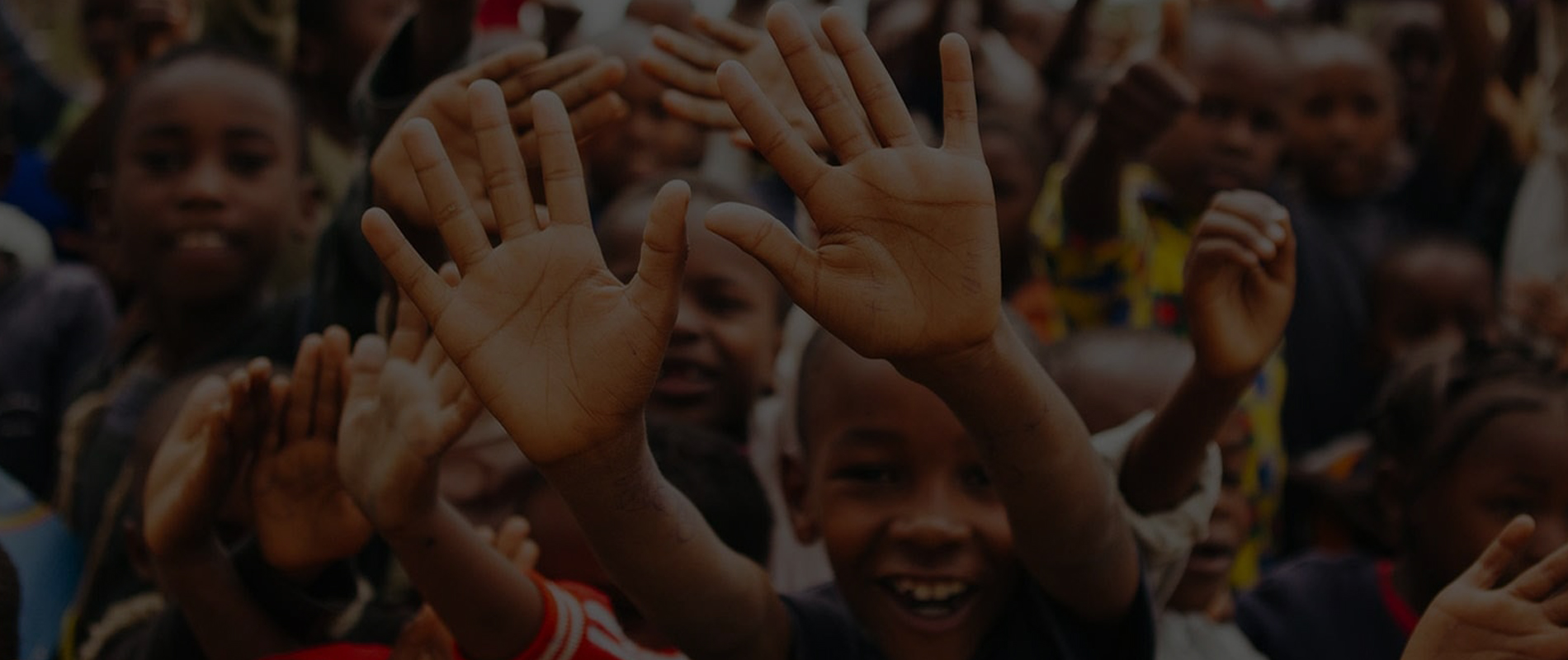


Every child deserves a safe and dignified childhood
Childhood is not simply a phase of life — it is the foundation upon which everything else is built. Yet for millions of children across Maharashtra and India, the earliest years are marked not by safety, learning, and joy, but by hunger, neglect, abuse, displacement, and the premature burden of adult responsibilities. At Arunoday Foundation, our Children's Welfare programme works to ensure that every child — regardless of the family they were born into or the circumstances they face — has access to the protection, nutrition, education, health care, and emotional support they need to grow into their fullest potential. We do not give up on any child.
Why children in vulnerable communities need urgent support
Maharashtra is home to some of India's most acute child welfare challenges. Despite economic growth and policy progress, millions of children in urban slums, tribal belts, drought-affected villages, and migrant communities continue to face malnutrition, school dropout, child labour, abuse, and the deep psychological wounds of growing up in poverty and instability. The consequences of a neglected childhood are not merely personal — they ripple through families and communities for generations. Investment in a child's welfare is the single highest-return investment a society can make.
Malnutrition & Stunted Development
Millions of Indian children under five suffer from stunting, wasting, or anaemia — conditions rooted in inadequate nutrition during the first 1,000 days of life. The effects are permanent: cognitive impairment, reduced immune function, lower educational attainment, and diminished lifetime productivity. Malnutrition is not simply a health issue — it is a developmental emergency.
School Dropout & Learning Poverty
Children from marginalised communities face multiple barriers to remaining in school — economic pressure on families, the pull of child labour, lack of sanitation facilities for adolescent girls, absence of qualified teachers in remote areas, and the absence of remedial support for children who fall behind. Without targeted intervention, dropout becomes almost inevitable.
Child Labour & Exploitation
Economic desperation drives families to pull children out of school and into work — in fields, construction sites, domestic settings, and informal enterprises. Every child working is a child not learning, not developing, and not building the skills and confidence they need for a dignified adult life. Child labour is both a symptom and a cause of intergenerational poverty.
Abuse, Neglect & Lack of Child Protection
Children in vulnerable communities face disproportionate exposure to physical, emotional, and sexual abuse — often within households under severe economic and social stress. Weak community awareness of child rights, under-reporting of abuse, and limited access to child protection services leave many children without recourse or support after harm has occurred.
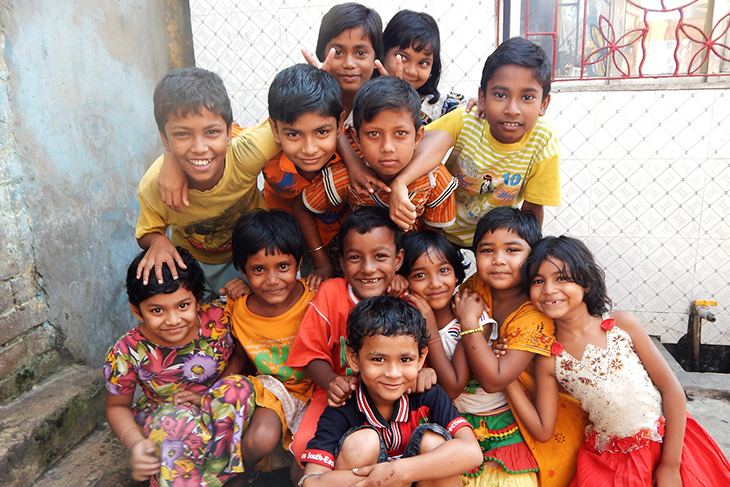
Our approach to children's welfare
Education Support & Learning Centres
We run bridge learning centres, after-school tutoring programmes, and remedial classes to keep children in school and help those who have dropped out re-enter the educational system. Our approach addresses both academic gaps and the motivational and family-level barriers that drive dropout.
Nutrition & Early Childhood Development
Through supplementary nutrition programmes, counselling for mothers and caregivers, and coordination with government Anganwadi centres, we address malnutrition in children under five — targeting the critical first 1,000 days of life when nutritional intervention has the greatest developmental impact.
Child Protection & Rights Awareness
We work at community level to build awareness of child rights, POCSO provisions, and reporting mechanisms — and provide case management and psychosocial support to children who have experienced abuse, neglect, or exploitation. We also train teachers, parents, and community workers in child protection protocols.
Life Skills & Holistic Development
Beyond academics and nutrition, we facilitate life skills sessions, creative arts, sports, and emotional wellbeing activities — building the confidence, resilience, critical thinking, and interpersonal skills that children need to navigate challenges, form healthy relationships, and imagine a future beyond their current circumstances.
Three pillars of child-centred intervention
Our children's welfare work is grounded in a three-pillar model — ensuring that children receive not just immediate support, but the sustained, holistic development that transforms their life trajectory.
Protect Safety & Rights
Child protection case management and legal support. Psychosocial first aid for abused and traumatised children. Community awareness on child rights and POCSO. Identification and reporting of child labour, trafficking, and abuse. Safe spaces for children at risk.
Nurture Health & Nutrition
Supplementary feeding and nutrition rehabilitation. Micronutrient supplementation for anaemic children. Health check-up camps and immunisation support. Caregiver counselling on infant and young child feeding. Coordination with Anganwadi and ASHA networks.
Empower Education & Development
Bridge learning and school re-enrolment support. After-school tutoring and digital literacy. Adolescent life skills and career awareness. Scholarships and school supply support. Sports, arts, and creative development programmes.
Key Children's Welfare Initiatives
Bridge Learning & School Support
Community-based learning centres that provide foundational literacy and numeracy support, remedial tutoring, and bridge education for out-of-school children — preparing them for school enrolment or re-enrolment while addressing the academic gaps that make mainstream schooling inaccessible for many.
Education Literacy Re-enrolmentNutrition Rehabilitation Programme
Targeted intervention for severely and moderately malnourished children — including therapeutic feeding, micronutrient support, regular growth monitoring, and intensive caregiver counselling. Working in convergence with government health systems to ensure no child with acute malnutrition goes unaddressed.
Nutrition Under-5 HealthChild Protection & Safe Spaces
Safe, supervised spaces where children at risk can access protection, counselling, legal aid referrals, and consistent adult support. Our child protection teams work with families, schools, and local authorities to address abuse, neglect, and exploitation — and provide trauma-informed care to children who have been harmed.
Protection Counselling Legal AidDigital Literacy & Future Skills
Bridging the digital divide for children in underserved communities — through computer literacy sessions, internet safety education, and exposure to technology as a tool for learning and opportunity. Equipping children with the digital fluency that is increasingly essential for participation in education and the modern economy.
Digital Technology Future SkillsAdolescent Empowerment Programme
Dedicated programmes for adolescent girls and boys — addressing life skills, menstrual health, gender rights, career awareness, and the social and emotional challenges of growing up in poverty. Creating peer support networks and mentoring relationships that help young people navigate the critical transition from childhood to adulthood.
Adolescents Life Skills GenderCreative Arts & Joyful Learning
Art, music, theatre, storytelling, and sports are not add-ons — they are central to healthy child development. Our creative and recreational programmes build confidence, foster self-expression, provide an emotional outlet, and make learning joyful — reminding every child that their happiness and creativity matter.
Arts Sports WellbeingChildren and families we walk alongside
Our programmes reach the most marginalised children — those facing the steepest barriers and with the least access to support systems. We work across urban slums, tribal communities, drought-affected villages, and displacement contexts across Maharashtra.
Children We Prioritise
- Out-of-school and school dropout children
- Children under five affected by malnutrition
- Children in conflict with the law or at risk
- Children from migrant, tribal, and displaced families
- Children who have experienced abuse or exploitation
- Adolescent girls facing early marriage or school dropout
Communities & Contexts We Work In
- Urban slums and informal settlements in Mumbai, Pune
- Tribal and adivasi communities in rural Maharashtra
- Drought-affected and rain-shadow regions
- Communities affected by seasonal migration
- Areas with high rates of child labour and trafficking
Know a child in need of support or protection? Please reach out immediately.
If you know of a child who is out of school, experiencing abuse or neglect, facing malnutrition, or in need of any form of welfare support, please contact the Arunoday Foundation without delay. Every child deserves someone to advocate for them — and we are here to do exactly that. Confidentiality is assured in all child protection matters.
How you can invest in a child's future
Donate
₹750 provides a month of supplementary nutrition for a malnourished child. ₹3,000 covers a child's full education support for one term. ₹15,000 sponsors a child's holistic welfare support for an entire year.
Volunteer as a Tutor or Mentor
Teachers, students, and working professionals can volunteer as tutors, mentors, or facilitators at our learning centres — giving children not just academic support but the presence of a caring adult who believes in their potential.
Donate Supplies
School bags, stationery, books, uniforms, nutritious food items, hygiene products, and children's clothing are always needed. Contact us to find out what is most urgently required in the communities we currently serve.
Corporate CSR
Partner with us on child-focused CSR initiatives — sponsoring learning centres, nutrition programmes, or scholarship funds. Fully audited, 80G-certified, with detailed impact reporting. A direct, measurable investment in the future of India's children.
A child's potential is not determined by the family they are born into
With the right support at the right time, every child — regardless of where they start — can learn, grow, and thrive. Your contribution today is an investment in a future that is more equal, more compassionate, and more full of possibility. Stand with us for the children who need it most.
Donate Now Join Community